At Primary School “Nikola Tesla”, we believe that every child carries a natural curiosity and an innate desire to explore the world. Our role is to nurture that curiosity through play, discovery, and contemporary approaches to learning.
In a warm, supportive environment, children acquire knowledge that truly lasts — because they learn with their hearts, their minds, and through meaningful experience.
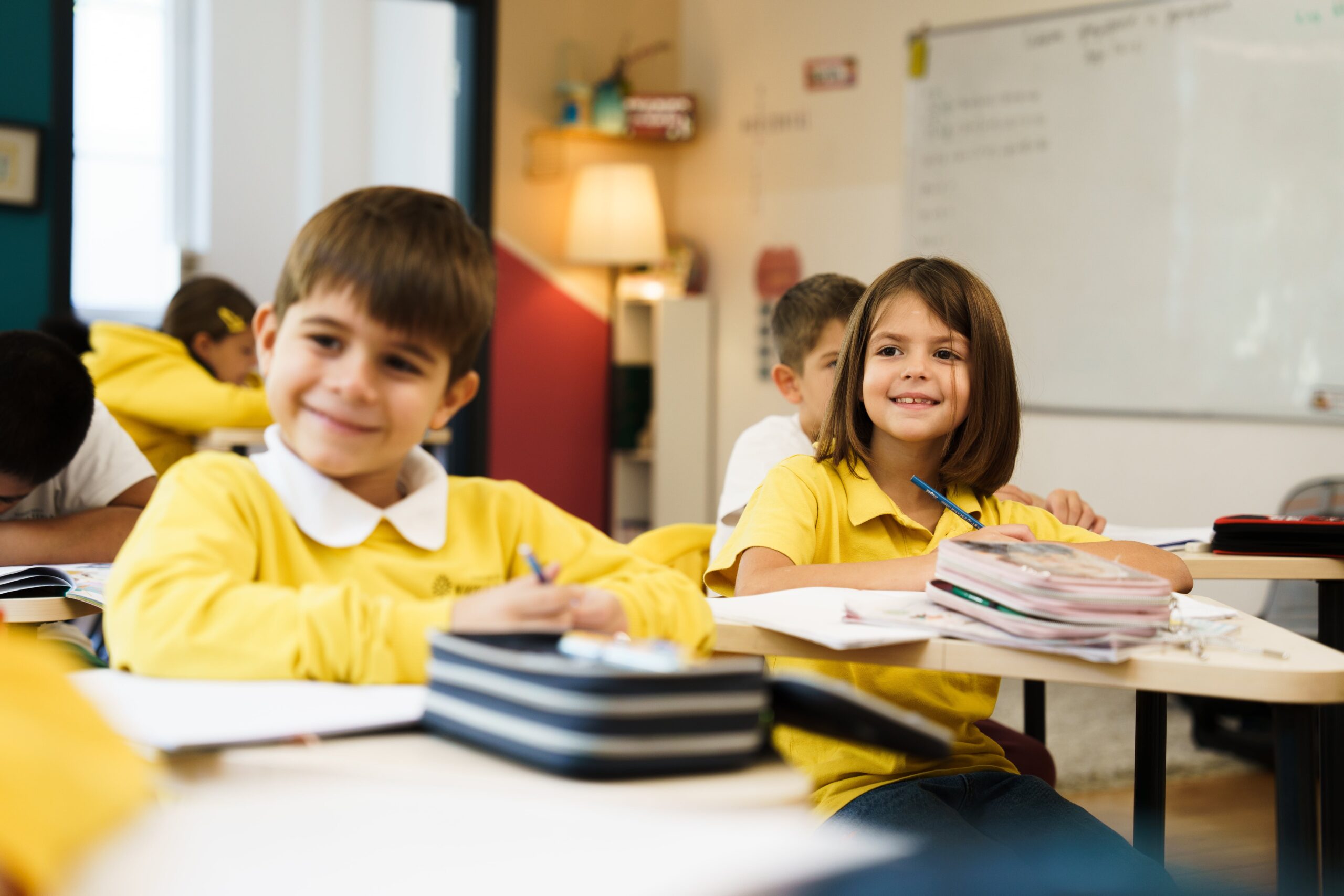
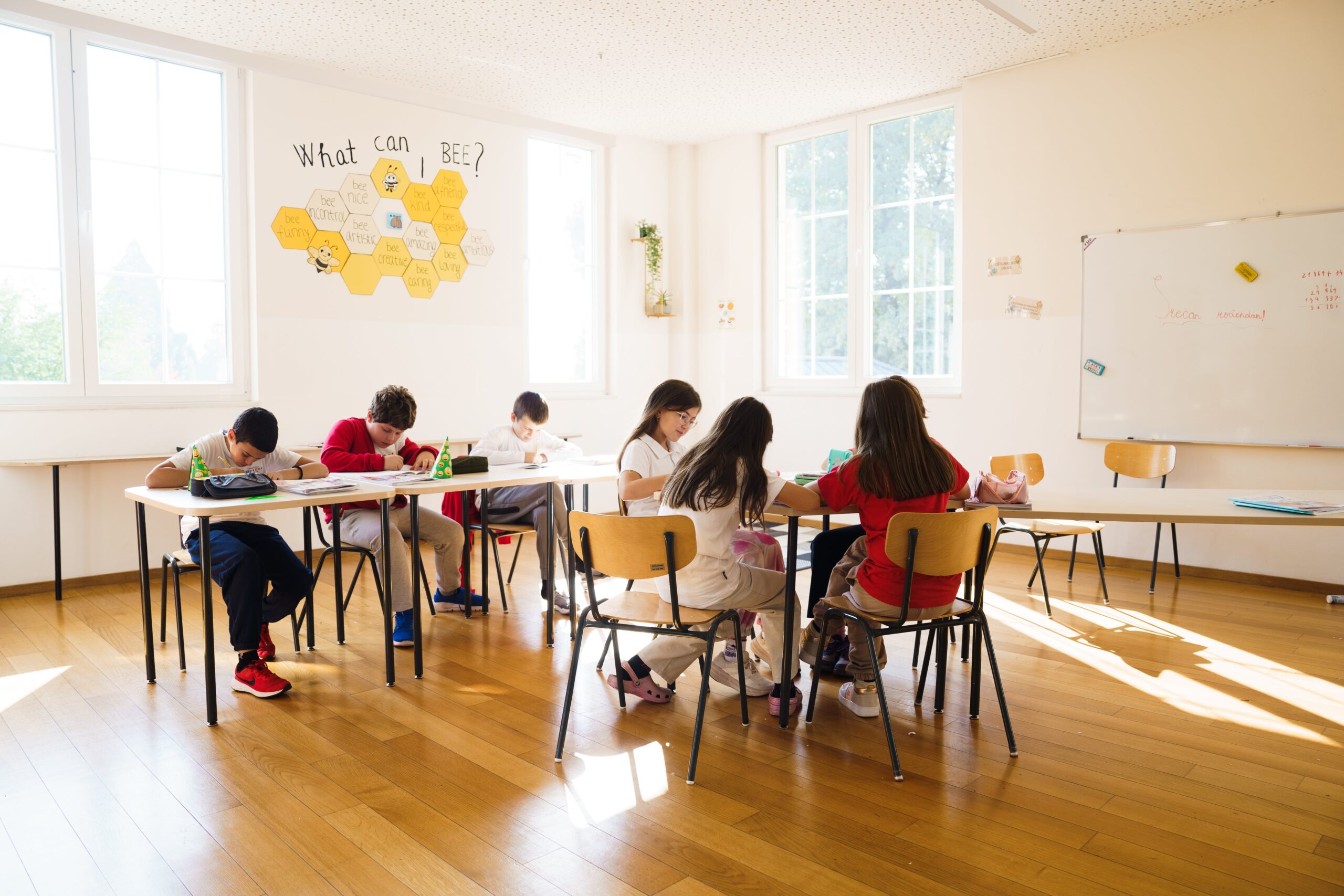
At Primary School “Nikola Tesla”, teaching is organised in accordance with the Curriculum prescribed by the Ministry of Education and Culture of the Republic of Srpska, enriched with contemporary pedagogical approaches inspired by Montessori philosophy and adapted to the developmental needs of today’s children.
In our regular teaching programme, we fully observe the official annual calendar of holidays and school breaks issued by the relevant ministry.
We offer parents and students two clearly defined programme options, allowing each family to choose the model that best suits their needs:
The full-day programme begins with regular classes at 8:30 a.m. and continues with a structured afternoon programme that includes:
The programme runs until 3:30 p.m. and is designed to provide children with a structured yet balanced school day.
Classes are held during the following timeframes:
This programme includes the delivery of the regular subject-based curriculum in line with official requirements, without lunch or afternoon supervision.
Although teaching is organised by grades and subjects and fully aligned with the official curriculum of the Republic of Srpska, our work is guided by Montessori philosophy as a pedagogical framework.
In practice, this means that:
The goal of this approach is deeper understanding, long-term knowledge retention, and the development of independent thinking.
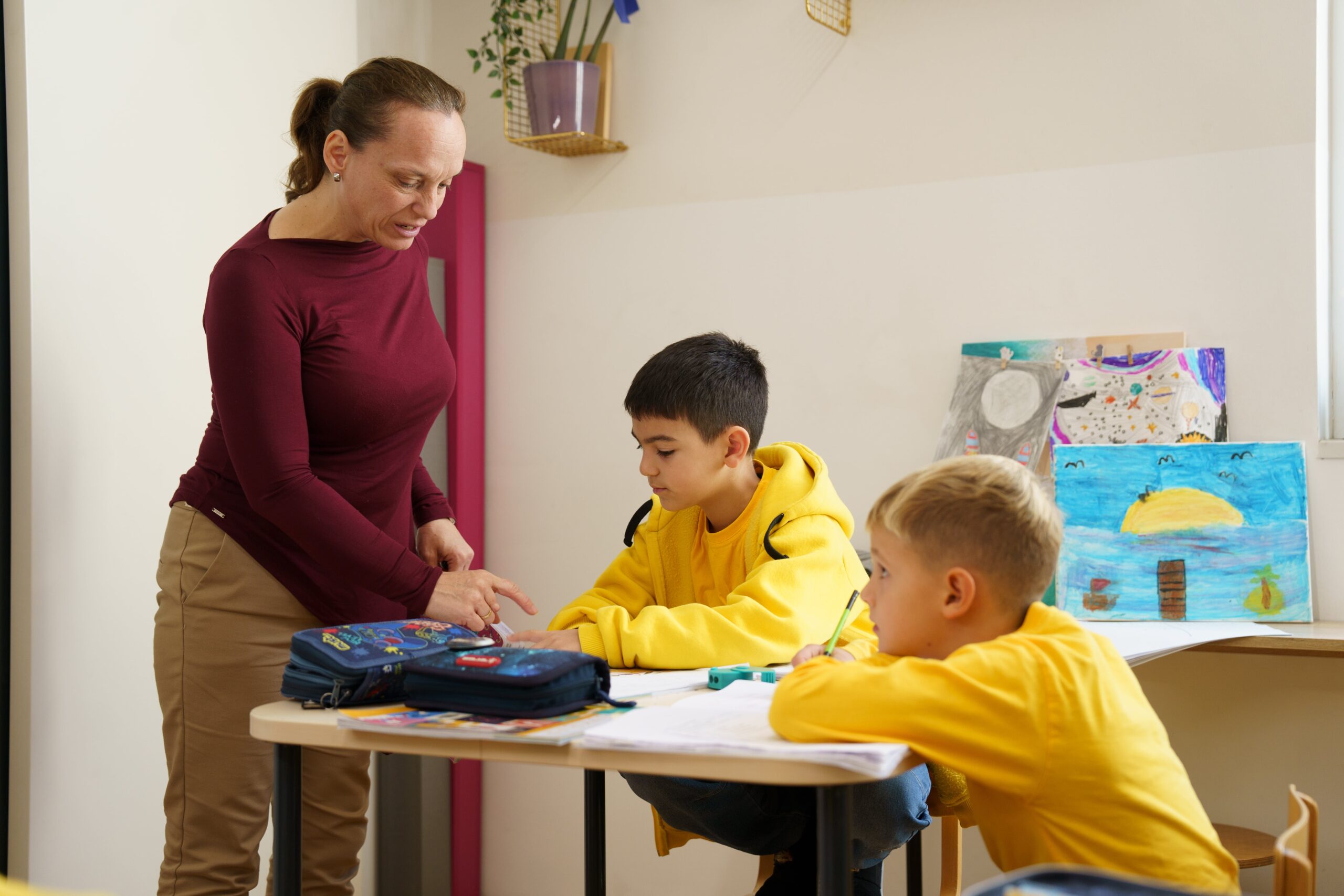
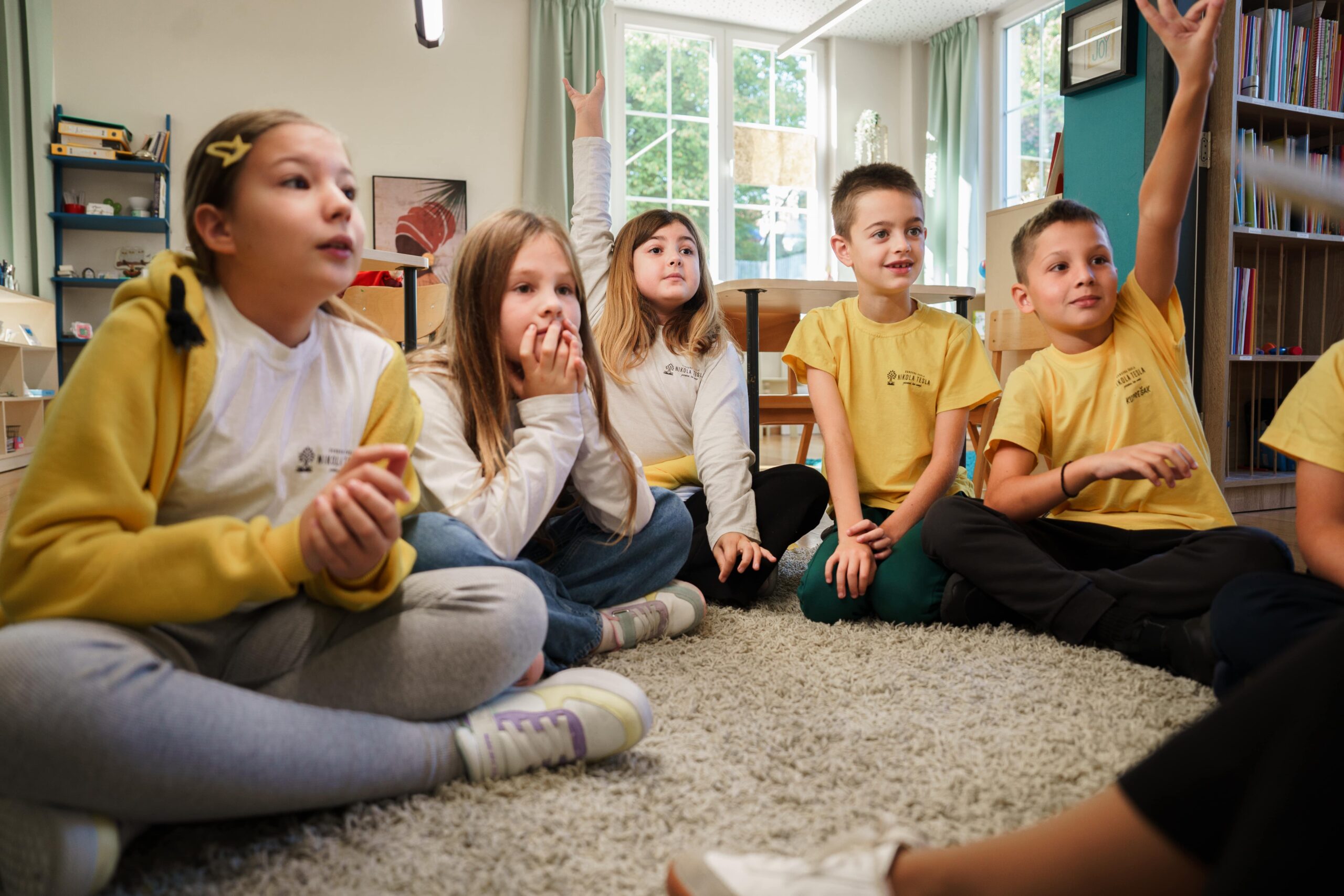
Students are organised into classes of up to 18–20 pupils, ensuring that:
Unlike the traditional school model, our students do not learn exclusively within their own classroom. Instead, learning is enriched through collaboration with:
The school offers a wide range of clubs and extracurricular activities aimed at developing key skills for the modern world, including critical thinking, creativity, digital literacy, teamwork, and personal responsibility.
Most of these activities are integrated into the full-day programme, while selected options are also available within the regular school schedule according to a separate timetable.
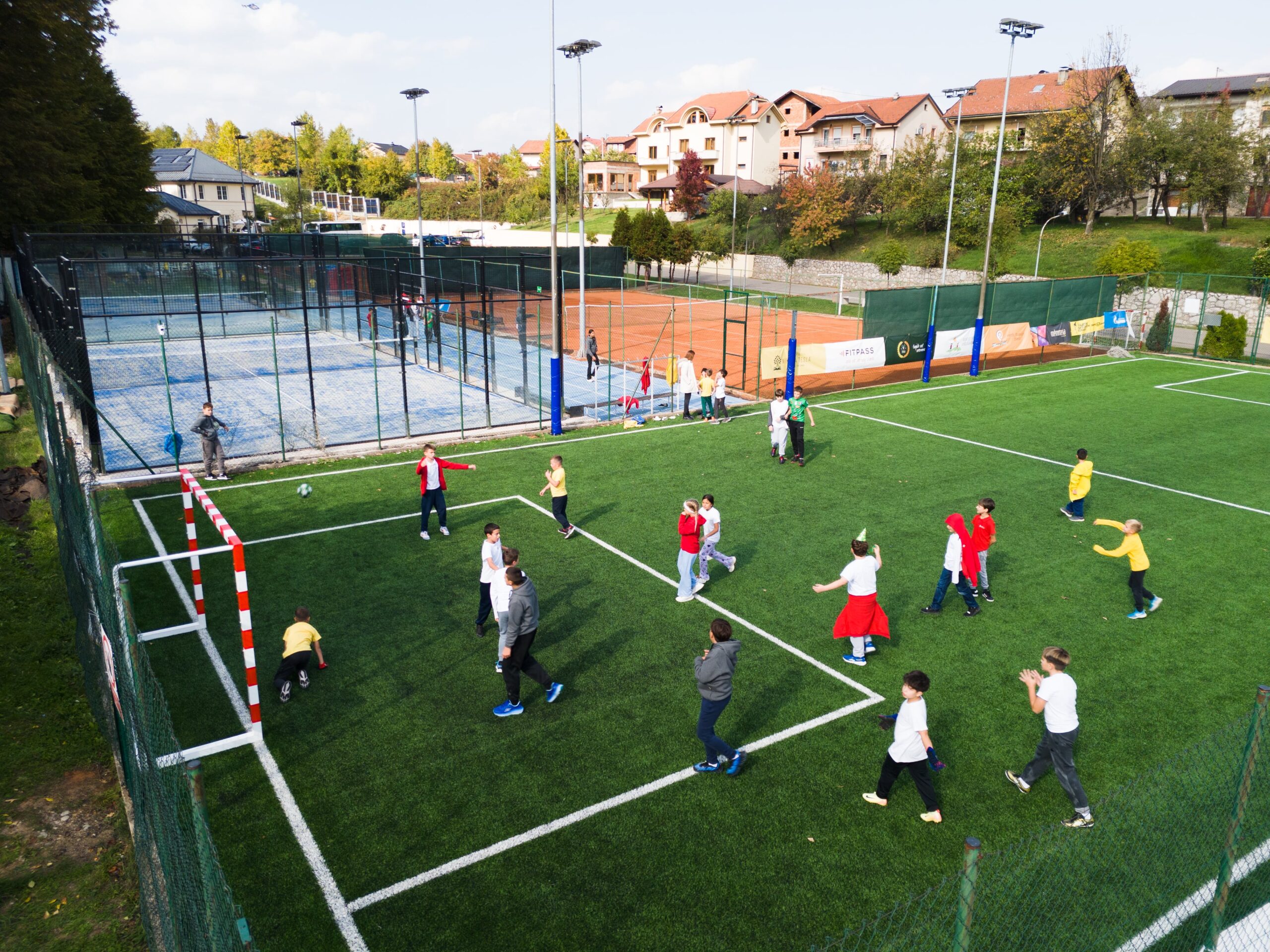

In addition to grade-based organisation, the school is further structured through triad-based learning, which groups students into the following developmental stages:
Within each triad, we actively encourage collaboration across classes, as well as joint projects and activities through which students develop:
This organisational model, inspired by Montessori methodology, enables the school to function as a vibrant learning community rather than a collection of isolated classrooms.

In addition, we provide targeted language support for children from different linguistic backgrounds, helping them integrate confidently into classroom life, develop language skills, and feel a strong sense of belonging within the school community.